
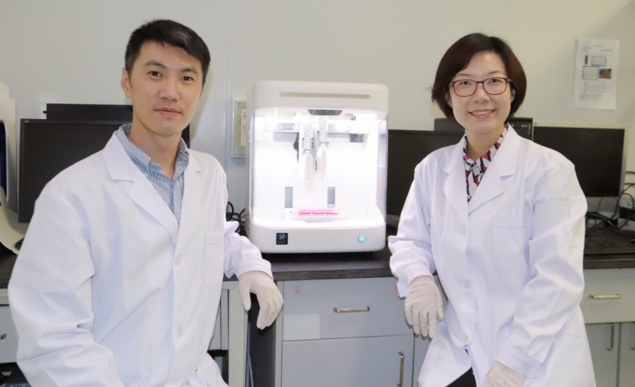

Single-layer cell cultures are widely used as an alternative to animal models for investigating the effects of drugs on the brain. But the advantages that such 2D models have in terms of simplicity and accessibility are balanced by some significant shortcomings.
.
Neural networks in 2D cultures respond differently to stimuli compared with those in the 3D physiological structures that they aim to emulate. Cells in 2D cultures also remain viable for just a short time, as the nutrient medium cannot penetrate to the culture’s interior. To address these problems, researchers in China and the US have demonstrated a 3D tissue construct that sustains a population of neuronal cells for four weeks. The team used a cell-laden […]
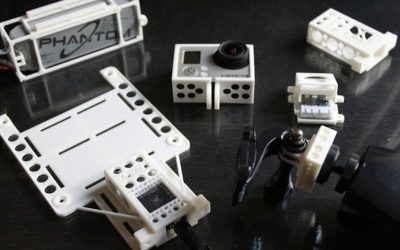
A Perfect Pair: 3D Printed Drones
Drones bring great energy to the design and 3D printing realm, with engineers engaged in developing new technology...

0 Comments