If you’re anything like this author, you got a C- in high school chemistry and never looked back. With a newfound interest in the topic, I’m hoping to revisit the molecular science of some of the most popular materials in 3D printing to understand them—not just in terms of applications and physical properties, but chemical makeup.
.
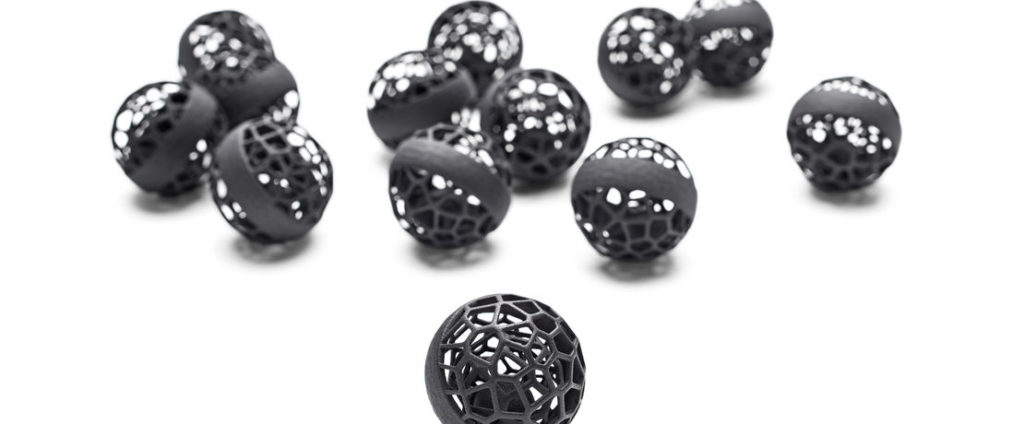
So far in this series, we’ve covered the PAEK family of plastics and a specific type of polyurethane from Carbon . Here we look at the most ubiquitous plastic in powder bed fusion (PBF): polyamide (PA). Also called nylon, the material is known for its silky quality, generally strong physical performance, wide range of operating temperature, and its abrasion resistance. The first commercially successful synthetic thermoplastic polymer, nylon was developed first by DuPont in 1935 in the form of nylon 6,6. Soon, a variation called nylon 6 was invented in 1938 by IG […]
Click here to view original web page at 3dprint.com



0 Comments